

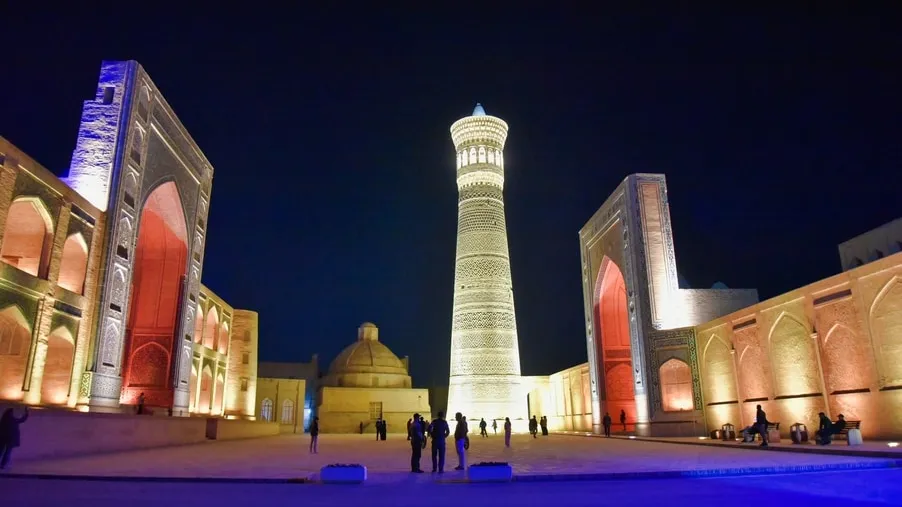
Bukhara
Uzbekistan
Bukhara with its magnificent architecture, rich history and vibrant culture, Bukhara has captivated travelers from around the world for centuries. Today, it stands as one of the most important tourist destinations in Uzbekistan and Central Asia. Recognized as a UNESCO World Heritage Site, Bukhara is home to hundreds of historical monuments that reflect its glorious past.
With a history spanning over 2,500 years, Bukhara has made an invaluable contribution to global civilization. Situated at the crossroads of the Great Silk Road, the city thrived as a hub of craftsmanship and commerce, shaping its identity as a center of culture and trade.
Beyond its stunning mosques and madrasas, Bukhara boasts grand mausoleums of renowned scholars, magnificent palaces, caravanserais, Turkish baths, and majestic turquoise-domed structures. The city’s bustling bazaars, nestled within the old quarters, transport visitors into a scene straight out of an Oriental fairytale. Bukhara holds the highest number of historical monuments in Uzbekistan, and its ancient streets are best explored on foot.
During the Middle Ages, Bukhara was considered the holiest city for Muslims in Central Asia, attracting scholars, thinkers, and travelers from across the Islamic world. It was the birthplace of many world-renowned figures, including:
• Imam Al-Bukhari (9th century) – The compiler of the Hadith collection, one of the most significant works in Islamic tradition.
• Abu Ali ibn Sina (Avicenna) (10th–11th centuries) – A legendary physician, philosopher, and scientist whose medical writings influenced Europe and the Islamic world.
• Bahauddin Naqshband (14th century) – The founder of the Naqshbandi Sufi order, a key figure in Islamic mysticism.
Thanks to the contributions of scholars, poets, architects, and philosophers, Bukhara earned honorary titles such as “Bukhara Sharif” (The Noble Bukhara) and “Islamic Peak.” In the Middle Ages, only seven cities in the world were granted the prestigious title of “Sharif” due to their religious significance—Bukhara being one of them, alongside Mecca, Medina, Mazar-i-Sharif, Baghdad, Jerusalem, and Damascus. By the 9th century, Bukhara had also gained the title “Qubbat ul-Islam” (The Dome of Islam), cementing its status as a major center of Islamic culture, ethics, and jurisprudence in the East.
Today, Bukhara remains one of Uzbekistan’s most visited cities, continuously evolving as a leading tourist destination. Whether exploring its timeless streets, marveling at its historic landmarks, or immersing in its rich cultural heritage, visitors to Bukhara experience a journey through centuries of history, spirituality, and architectural grandeur.
Tours that visit Bukhara
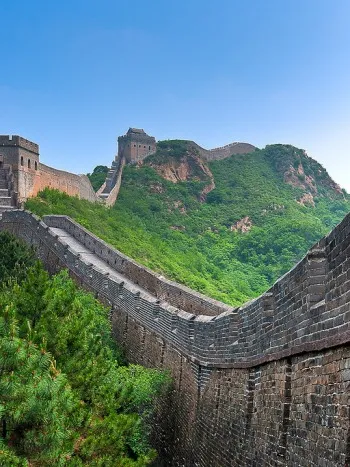
Tashkent · Khiva · Bukhara · Samarkand · Beijing · Xi'an · Shanghai
The Complete Silk Road: Uzbekistan and China
Mar 20, 2027 - Apr 04, 2027
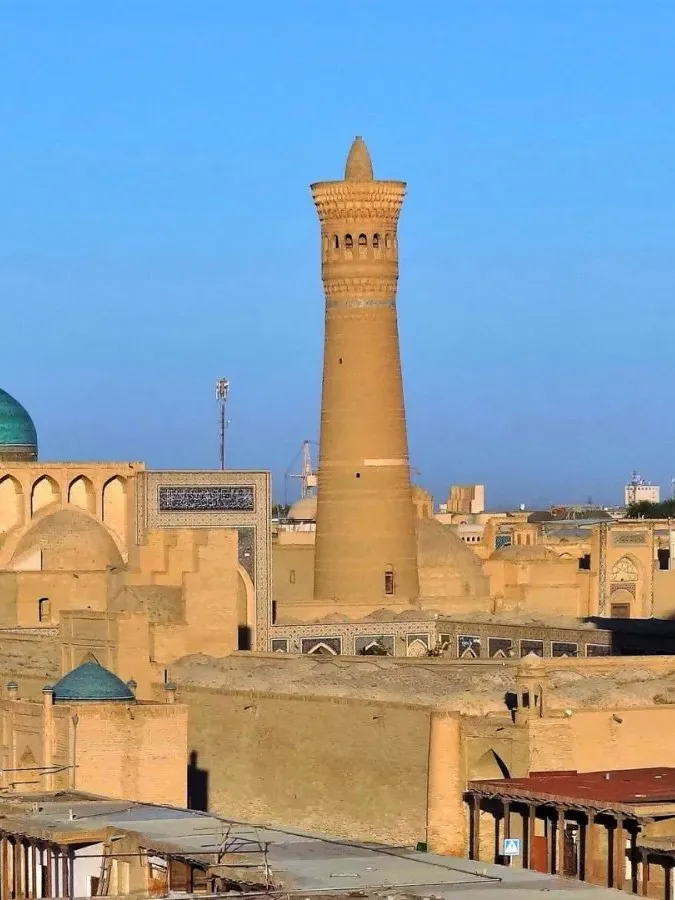
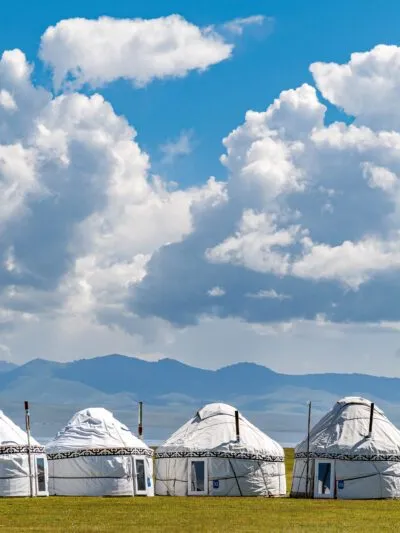
Almaty · Karakol · Oimo Tash · Bishkek · Tashkent · Khujand · Dushanbe · Panjikent · Samarkand · Bukhara · Khiva · Dashoguz · Darvaza · Ashgabat · Merv
Small Group Tour of Central Asia with Uzbekistan Discovery
Apr 01, 2027 - Oct 31, 2027
Tell us how you like to travel
Dates, pace, hotels, food. Send us a few lines and we will send back a plan with prices, no obligation.